
Nutrition is a decisive factor in our overall health—and the mouth is no exception. A diet that supports dental health plays a direct role in preventing tooth decay, strengthening enamel, and maintaining the wellbeing of gums and tongue. Beyond brushing, flossing and mouthwash, what we eat every day leaves a clear mark on our smile.
The Role of Diet in Oral Health
A healthy diet for the mouth has three main goals: to protect the enamel, nourish the gums, and maintain bacterial balance. This is achieved through the regular intake of key nutrients such as calcium, phosphorus, vitamin D, vitamin C, and antioxidants, as well as by limiting foods that feed cavity-causing bacteria or alter the mouth’s pH.
Essential Nutrients for Strong Oral Health
Teeth are living structures. Their mineralisation depends on proper nutrition. For example, calcium is crucial for keeping enamel strong and resistant. Phosphorus works in synergy with calcium, particularly in the development of growing teeth.
However, to properly absorb these minerals, vitamin D is essential. Without it, no matter how many calcium-rich foods you consume, your body won’t be able to make full use of them. Vitamin D is obtained through sunlight, oily fish, and whole eggs.
Vitamin C, on the other hand, is vital for healthy gums, as it strengthens soft tissues and boosts the immune response in the mouth. A deficiency can lead to bleeding, inflammation, and even periodontal disease.
Recommended Foods for a Dental Health Diet
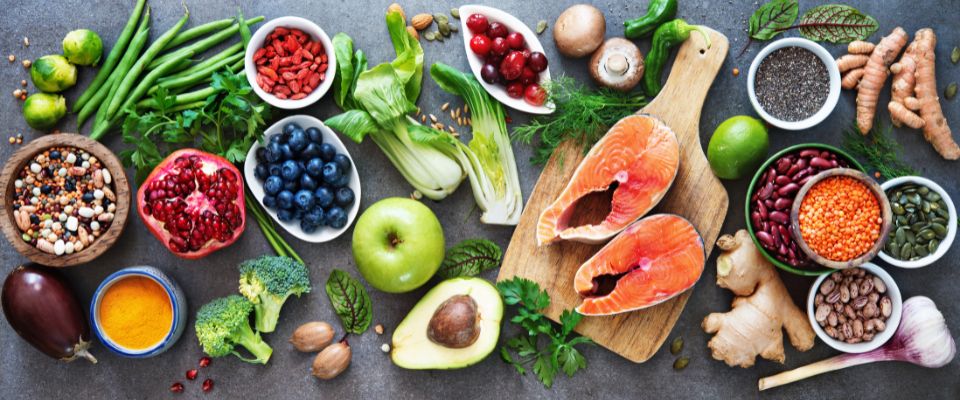
Among the most recommended foods are unsweetened dairy products such as natural yoghurt, cheese, and milk. Also beneficial are leafy green vegetables, unsweetened nuts like almonds, vitamin C-rich fruits (strawberries, kiwi, oranges), oily fish, and lean meats.
But nutrition isn’t everything. Some foods naturally help to clean teeth due to their texture or their ability to stimulate saliva production. Apples, carrots, and celery, for example, are crunchy foods that help remove food debris and maintain a healthy oral pH balance.
The Power of Saliva in Oral Protection
Saliva is the mouth’s silent defender. It helps neutralise acids, clears food residues, and contains antibacterial enzymes. A diet that encourages saliva production is essential. Hard, chewy foods without added sugar, such as fresh fruit or raw vegetables, are excellent for keeping this natural mechanism active.
Drinking water is fundamental. It not only hydrates the mucous membranes and prevents dry mouth (often linked to the development of cavities), but it also constantly cleanses the mouth between brushings. If you don’t drink enough, acids and bacteria remain in contact with the enamel for longer. A well-hydrated mouth always offers better protection.
What You Eat Can Also Harm Your Teeth
Just as some foods support oral health, others can cause significant damage when consumed in excess or without proper oral hygiene. Refined sugar is the main enemy of dental health. Found in sweets, pastries, fizzy drinks, and processed cereals, it feeds the bacteria that cause cavities and leads to acid that quickly erodes enamel.
But it’s not just sweets. Starchy foods like crisps, white bread, and pasta also break down into simple sugars in the mouth. These sugars also contribute to acid production. When consumed frequently and without proper cleaning, they can be just as harmful as sweets.
Harmful Drinks for Tooth Enamel
Sugary soft drinks, processed juices, and energy drinks are highly acidic. Even though they may seem harmless, they cause slow and continuous enamel erosion. Regular consumption of alcohol and coffee can also dehydrate the mouth and contribute to staining.
A common bad habit is drinking these beverages between meals. During these times, saliva production is lower, leaving the mouth more vulnerable. The result is prolonged exposure to acids that weaken tooth surfaces.
Practical Tips for a Tooth-Friendly Diet
Following a diet that supports dental health doesn’t require extreme measures—just informed decisions. Here are some simple habits to put into practice:
Include calcium-, vitamin D-, and vitamin C-rich foods in your daily meals.
Swap sugary snacks for fresh fruit or unsweetened nuts.
Drink water throughout the day, especially after meals.
Chew food thoroughly to stimulate saliva.
Avoid constant snacking between meals.
If you consume something acidic, wait at least 30 minutes before brushing.
Remember that a good diet should be complemented by proper oral hygiene: brushing two to three times a day with fluoride toothpaste, using dental floss, and visiting the dentist regularly.
If you’re looking for personalised care for the whole family, visit our dental clinic in Sabinillas, where we care for your oral health using advanced technology and a warm, professional approach.
Mindful Eating for a Long-Lasting Smile
Your mouth is the first place where food interacts with your body. Taking care of what you eat is a smart and effective way to prevent dental problems at their source. A dental health diet is not a trend—it’s a necessity. Including protective foods, reducing harmful ones, and maintaining a consistent oral hygiene routine can make the difference between a healthy smile and years of treatment.
Eat well, smile better.